A Masterpiece Grounded in Reality
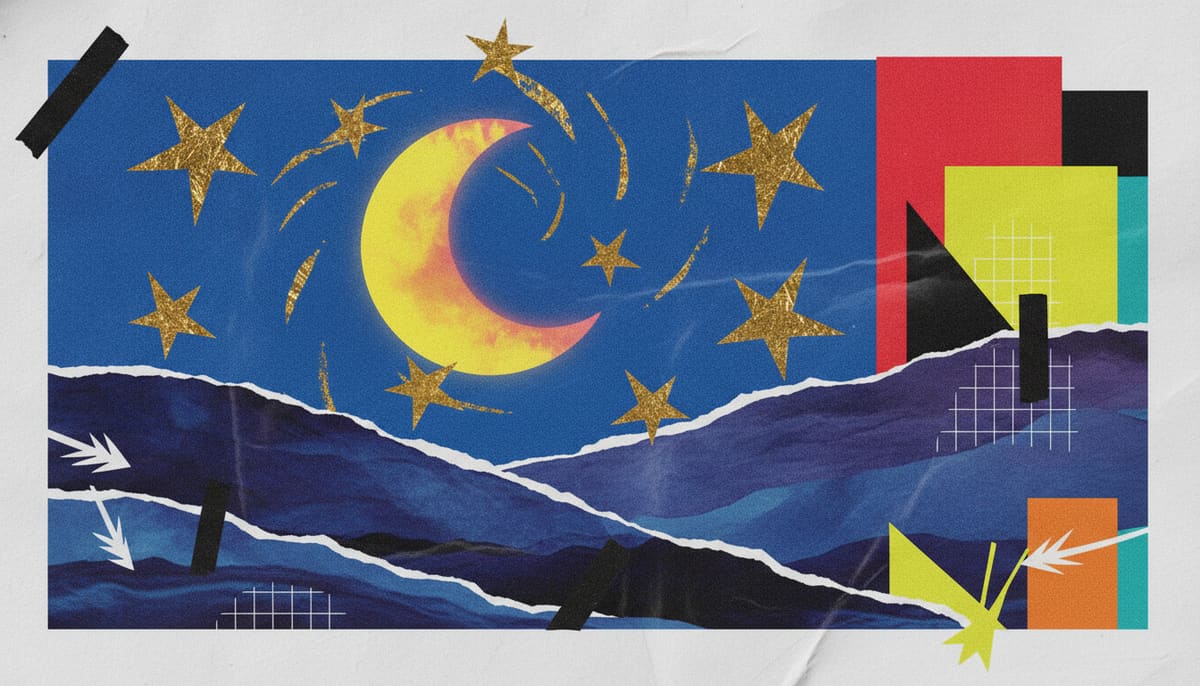
When you look at Vincent van Gogh's famous 1889 masterpiece, The Starry Night, it is easy to assume those wild, glowing spirals and radiant yellow orbs were entirely born from his wild imagination. The dreamlike sky looks more like fantasy than a realistic snapshot. However, a fascinating new study by astronomers reveals that the legendary Dutch artist was paying far closer attention to the actual heavens than anyone realized.
Matching the Constellations
By comparing the swirling celestial bodies on the canvas with astronomical models of the night sky over Saint-Rémy-de-Provence in southern France, researchers noticed a stunning match. The positions of several brilliant stars align neatly with the constellation Taurus (the bull) as it appeared in the early morning hours of July 1889.
Here is what the team matched between the painting and real astronomy:
- The Waning Moon: The crescent shape and lighting angle correspond accurately to the moon’s actual lunar phase during early July.
- The Morning Star: The giant, glowing white orb near the horizon aligns with the dazzling planet Venus, which shone brilliantly before dawn that summer.
- Star Clusters: The arrangement of nearby points of light mirrors known star formations, showing that Van Gogh carefully noted how real celestial landmarks sat against the horizon.
Art Meets Real Science
Historically, historians believed the painting represented June, based on a letter Van Gogh wrote to his brother Theo. But this celestial detective work suggests the painter kept tweaking and refining his view into July to capture what he truly saw from his window. Van Gogh did not just invent a cosmic wonderland out of thin air—he translated actual stargazing into expressive, emotional art.
Have you ever looked closely at the night sky and felt inspired to create something of your own?
Source: Good News Network